It's hard to imagine a trip to the Polish mountains without the sound of violins, basses, and the distinctive, energetic singing that echoes through the valleys. A highland band is much more than just a musical group playing at dinner. It's a living chronicle of the region, a priceless repository of generations of tradition, and a guarantee of an atmosphere unmatched anywhere else in the world.
From years of observing highland culture and organizing traditional feasts in our region, it's clear that this music isn't just a tourist attraction. It's a genuine cultural code that has connected generations for centuries, making even people from the other side of the country feel at home after just a few bars.
How was the music of Podhale born and why did it delight composers?
The roots of traditional Carpathian music date back to the 14th-16th centuries and the migrations of Wallachian shepherds who, traveling along the mountain ridges, instilled pastoral culture and its raw, untamed temperament in these regions. For centuries, music here existed not only as "stage entertainment," but rather accompanied the highlanders through the hardships of daily life in the mountain pastures, setting the rhythm of holidays, weddings, and farewells.
The breakthrough came in the second half of the 19th century, when the Tatra Mountains and Podhale were discovered by Polish artists, physicians, and intellectuals, led by Dr. Tytus Chałubiński and Stanisław Witkiewicz. Enchanted by the primal power and authenticity of this folklore, they transferred its motifs to literature and high music. Karol Szymanowski himself drew heavily on the music of the Podhale region, creating his famous ballet Harnasie. It was then that legendary musicians like Bartuś Obrochta became ambassadors for the region, proving to the world that playing by ear alone was as skillful as salon music.
Lead, second, bass and white voice - how does a highland band really play?
For someone accustomed to contemporary popular music, encountering a traditional highland band can be quite a surprise. There are no music stands, metronomes, or rigidly set scripts. Each song is named by the highlanders. „"note"” it is a living organism that changes depending on the mood of the musicians, the reaction of the audience, and even the tempo of the dance.
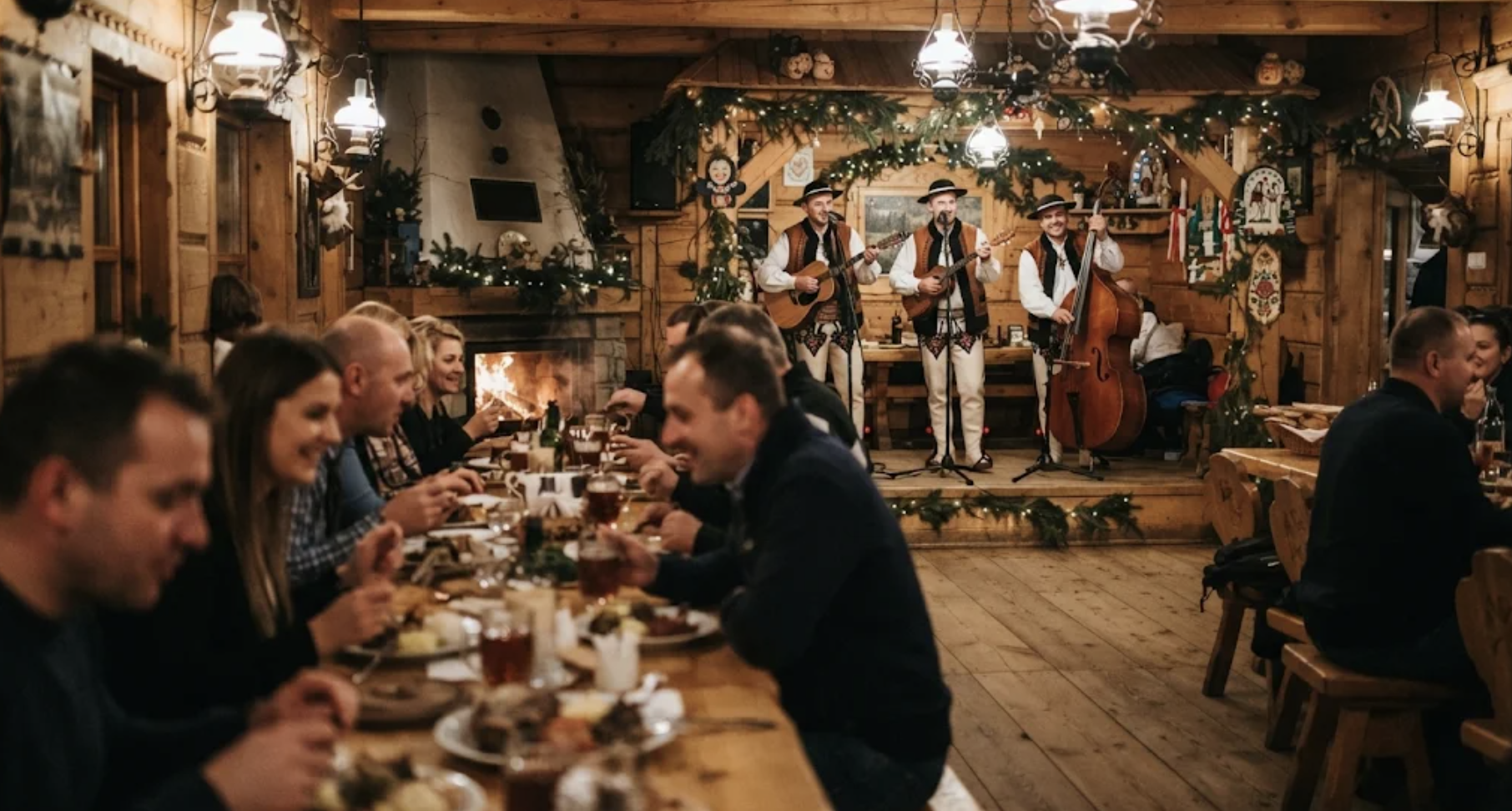
The heart of the band is primitive, or the first violinist. He plays the role of leader: he starts the melody, sets the tempo, and decides when to move to the next note. He is accompanied by seconds (second violin), whose task is to fill the harmony with a characteristic, pulsating rhythm, and bass playing the three-string bass - an instrument resembling a cello, but with a much more raw, deep sound that makes the wooden floor tremble.
True highland singing is the so-called. white voice – a technique involving the production of sound with the open throat, extremely resonant and natural. Historically, it was used not only for entertainment but also for long-distance communication between shepherds in neighboring pastures! Moreover, the lyrics of the songs are often created on the fly – a good primist can weave a humorous commentary about the guests sitting at the table into the melody, eliciting peals of laughter.
Why do people love highland music? The excitement, improvisation, and the lack of a stage barrier.
The power of highlander music lies in its extraordinary emotional range. On the one hand, we have fiery, fast rhythms (slashed, minor), which make your legs want to dance and your blood starts circulating faster. On the other hand, there are notes of the ridge - slow, drawn-out, full of reflection and longing for freedom, which can evoke genuine emotion and give you goosebumps.
People fall in love with this music mainly because of its uncompromising authenticity. In a world filled with digital perfection and playback, the contact with musicians who play with complete commitment, in traditional costumes (cuchas, parzenice, and kierpce), pouring their heart into every note, is refreshing. Here, there's no barrier between the stage and the audience. The band descends upon the crowd, feasts with them, and draws them into singing along, breaking the ice faster than any other form of socializing.
A real highland band live - feel the atmosphere at the Smile Hotel
Although folk recordings can be listened to online at any time, highland music requires the right setting to resonate fully. It's best enjoyed where it's met with regional hospitality, a crackling fire, the aroma of traditional dishes, and the joyful bustle of life—during evening feasts in mountain resorts, around a bonfire after a winter sleigh ride, or during festive holiday dinners.
This music gains particular power in winter, when the mountains are blanketed in snow and the atmosphere becomes especially festive. Nothing builds the magic of Christmas like the communal singing of carols accompanied by violins and bass – full of warmth, emotion, and a true family spirit. On New Year's Eve, lively songs and dance tunes guarantee a party lasting until dawn.
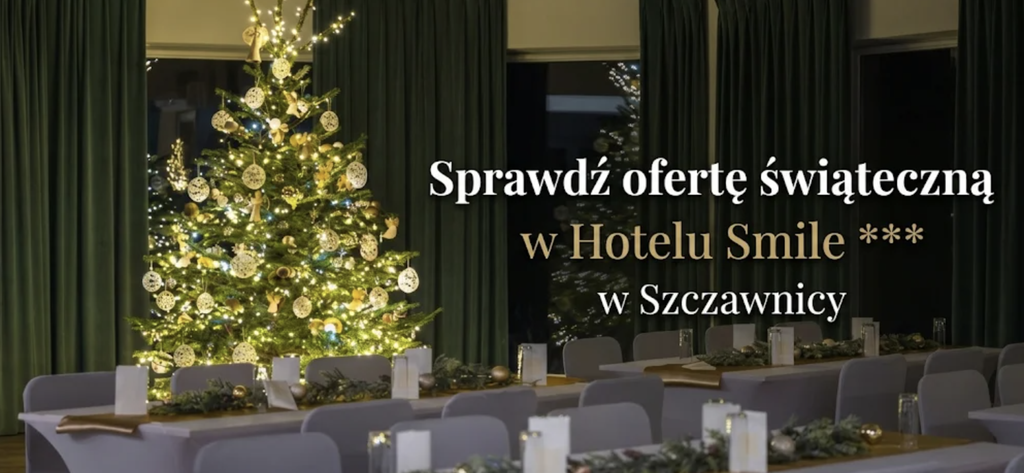
If you want to experience this unique atmosphere for yourself, such attractions await you in Smile Hotel! As part of our special packages on Christmas and New Year's Eve Performances by a genuine highland band are one of the highlights of the program. It's a fantastic opportunity to combine comfortable relaxation with an authentic highland feast, experience unforgettable moments accompanied by traditional music, and experience the true spirit of the mountains at its best.